
Key Takeaways
- A Laboratory Information Management System (LIMS) is used by a wide range of professionals who need to manage samples, data, and laboratory workflows accurately and efficiently.
- Laboratory staff rely on LIMS to track specimens, standardize processes, and reduce manual errors in daily operations.
- Managers and supervisors use LIMS for oversight, reporting, and performance monitoring, helping ensure quality and compliance.
- Researchers and scientists depend on LIMS to organize experimental data and maintain traceability across studies and projects.
- Beyond the lab bench, LIMS supports operational, regulatory, and analytical roles by centralizing data and improving visibility.
The question of who uses LIMS unveils the vast applicability of laboratory information management systems across a multitude of industries and scientific disciplines. A laboratory information management system (LIMS) is a powerful LIMS system software designed to streamline and automate laboratory operations, manage data, and ensure regulatory compliance. While its core function—managing samples, tests, and results—remains consistent, the specific types of organizations and professionals who leverage LIMS vary widely, reflecting the diverse needs for efficient data management and quality control in modern science and industry.
At a fundamental level, any organization that generates, processes, or analyzes a significant volume of samples and data can benefit from a LIMS. This includes, but is not limited to, analytical laboratories in pharmaceutical, biotechnology, environmental, food and beverage, forensics, and petrochemical industries. In these settings, LIMS serves as the central hub for managing the entire lifecycle of a sample, from its initial registration and tracking through testing, data analysis, and final report generation. It ensures samples are handled correctly, tests are performed according to established protocols, and results are accurately recorded and validated. This level of meticulous management is critical for maintaining data integrity, supporting scientific research, and ensuring product quality and safety.
Beyond industrial applications, LIMS is also heavily utilized in research and development environments. Academic institutions, government research facilities, and private R&D labs use LIMS to manage complex experimental workflows, track reagents and consumables, and store vast amounts of research data. This capability is vital for reproducibility of experiments, collaborative research, and the long-term archiving of valuable scientific information. The system helps researchers organize their projects, monitor progress, and share data efficiently, accelerating the pace of scientific discovery. The comprehensive data management features of a LIMS are essential for labs seeking to maintain high standards of quality and efficiency in their operations, regardless of their specific scientific focus.
Who Uses LIMS Software?
Delving deeper into who uses LIMS software reveals the specific roles and industries that depend on this technology to achieve their operational and scientific objectives. The broad utility of LIMS stems from what LIMS is used for: to enhance data quality, improve turnaround times, reduce manual errors, and support regulatory compliance across a wide spectrum of laboratory environments.
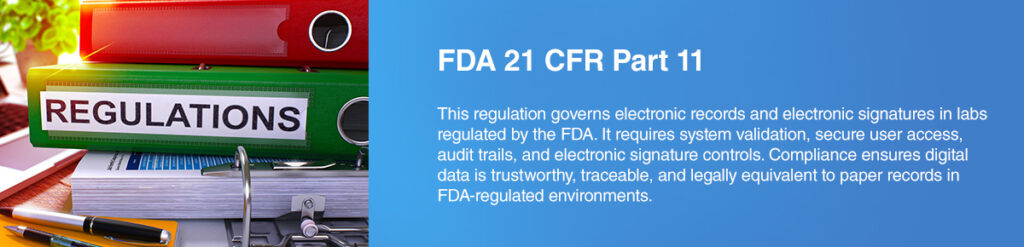
In the pharmaceutical and biotechnology sectors, LIMS is indispensable for drug discovery, development, and manufacturing. These laboratories use LIMS to manage clinical trials, track samples from patients, process research and development (R&D) samples, and ensure adherence to stringent regulatory requirements such as FDA (Food and Drug Administration) guidelines. For example, LIMS helps manage the vast number of samples generated during drug synthesis and purification, track stability testing, and manage quality control for manufactured batches. This ensures only safe and effective drugs reach the market, protecting public health.
Environmental laboratories are another significant user group. They employ LIMS to manage samples collected from air, water, and soil, performing tests to monitor pollution levels and ensure compliance with environmental regulations. LIMS assists in tracking samples from collection sites, managing various analytical tests (e.g., for heavy metals, pesticides, contaminants), and generating reports for regulatory bodies. This ensures environmental data is accurate and auditable, supporting efforts to protect ecosystems and human health.
Furthermore, forensic laboratories rely on LIMS to manage evidence samples, track chain of custody, and perform various analyses related to criminal investigations. The rigorous documentation and audit trails provided by LIMS are crucial for maintaining the integrity of evidence, which is paramount in legal proceedings. Food and beverage companies use LIMS for quality control, ensuring products meet safety and quality standards before reaching consumers. This involves testing raw materials, in-process samples, and finished products for contaminants, allergens, and nutritional content. The ability of LIMS to manage large volumes of diverse sample types and generate comprehensive reports makes it invaluable across these industries.
Who Uses LIMS in Laboratory?
Focusing on who uses LIMS in laboratory settings provides a more granular view of the direct beneficiaries and daily users of this powerful software. The term LIMS (laboratory) emphasizes its application within the controlled environment of a lab. While general information on LIMS is widely available, including what might be found when researching who uses LIMS in laboratory Wikipedia or in a who uses LIMS in laboratory PDF, the practical application involves a range of laboratory personnel and management.
Laboratory technicians and scientists are primary users of LIMS. They interact with the system daily for sample login, test assignment, data entry from instruments, and result validation. For example, in a clinical research lab, a scientist uses the LIMS to register patient samples from a study, specify the genetic tests to be performed, and record the sequencing data. The LIMS helps them track the progress of each sample, ensuring no steps are missed and all necessary quality checks are performed. LIMS examples in this context include systems that manage high-throughput screening data in drug discovery or track genomic samples in research studies.
Laboratory managers and supervisors also extensively use LIMS. They leverage the system’s reporting and analytical capabilities to monitor laboratory performance, manage resources, and ensure compliance. Managers can use LIMS to track turnaround times for specific tests, monitor instrument utilization, manage reagent inventory, and oversee quality control programs. This managerial oversight is critical for optimizing laboratory workflows, identifying bottlenecks, and making data-driven decisions to improve efficiency and productivity. For instance, a manager can quickly generate reports on overdue samples or instruments requiring maintenance, allowing for proactive intervention.
Quality assurance (QA) and regulatory affairs personnel also heavily depend on LIMS. The system’s robust audit trails, electronic signatures, and version control features ensure data integrity and traceability, which are essential for meeting regulatory requirements such as GLP, GMP (Good Manufacturing Practice), and ISO standards. QA teams use LIMS to review batch records, verify instrument calibration, and ensure all procedures are performed in compliance with standard operating procedures (SOPs). This meticulous documentation provided by LIMS is invaluable during audits and inspections, demonstrating adherence to quality standards and regulatory mandates.
Choosing the Right LIMS
Selecting the optimal LIMS is a crucial decision for any laboratory, directly impacting its operational efficiency, data quality, and regulatory compliance. When evaluating the best LIMS software options, prioritize systems that offer robust functionality tailored to your specific industry and laboratory type—whether it is a research, industrial, or specialized testing lab. Key considerations include the system’s ability to seamlessly integrate with your existing laboratory instruments and other information systems, its configurability to adapt to your unique workflows, and its compliance features to meet relevant regulatory standards.
For laboratories seeking a comprehensive and highly configurable solution, SoftLIMS by SCC Soft Computer stands out as a powerful option. SCC Soft Computer provides advanced laboratory information management solutions that enhance operational efficiency and data management across various laboratory disciplines. When choosing a LIMS, evaluate vendor reputation, the quality of their support services, and their commitment to ongoing innovation, ensuring the solution aligns with your laboratory’s future growth and technological advancements.
FAQ
Who uses a laboratory information management system?
A laboratory information management system is used by a variety of professionals involved in laboratory operations. This includes laboratory technicians, technologists, scientists, supervisors, and managers who need to track samples, manage workflows, and ensure accurate data handling throughout the laboratory process.
How do laboratory technicians and technologists use LIMS?
Laboratory technicians and technologists use LIMS to register samples, follow testing workflows, record results, and monitor specimen status. The system helps guide daily tasks, reduce manual documentation, and prevent errors related to sample identification or processing.
Why do laboratory managers rely on LIMS?
Laboratory managers rely on LIMS for visibility into operations, workload distribution, turnaround times, and quality metrics. The system provides reporting and audit trails that support decision-making, process improvement, and compliance with internal and external requirements.
Do researchers and scientists use LIMS?
Yes, researchers and scientists use LIMS to organize experimental data, track samples across studies, and maintain consistency in data collection. This structured approach supports reproducibility, collaboration, and long-term data management.
Is LIMS used outside of day-to-day laboratory testing?
LIMS is also used by quality, compliance, and data analysis roles. These users depend on the system’s centralized data, audit trails, and reporting capabilities to support regulatory reviews, trend analysis, and continuous improvement initiatives.